
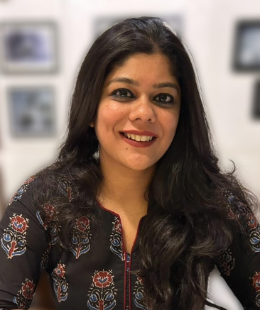
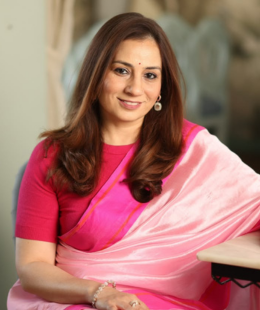
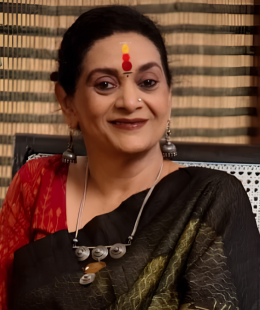
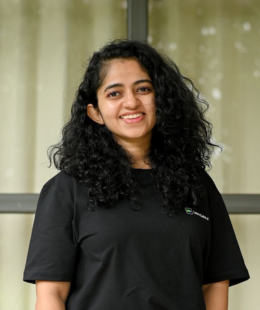
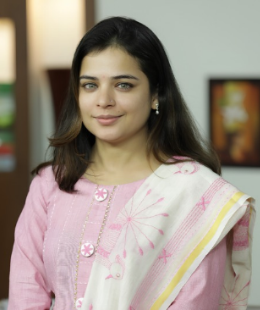
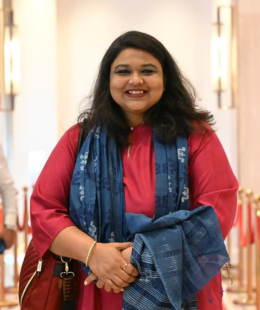
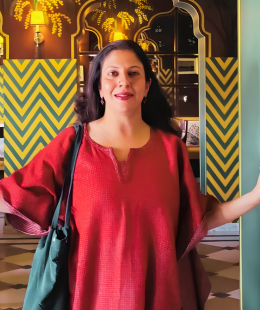

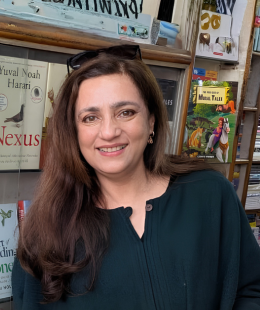
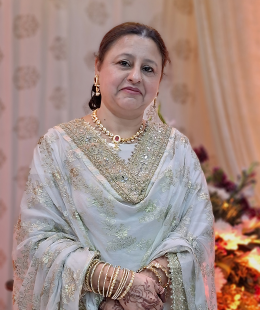

Aahana Kumra
Actor, Theatre Artist, Host & Producer
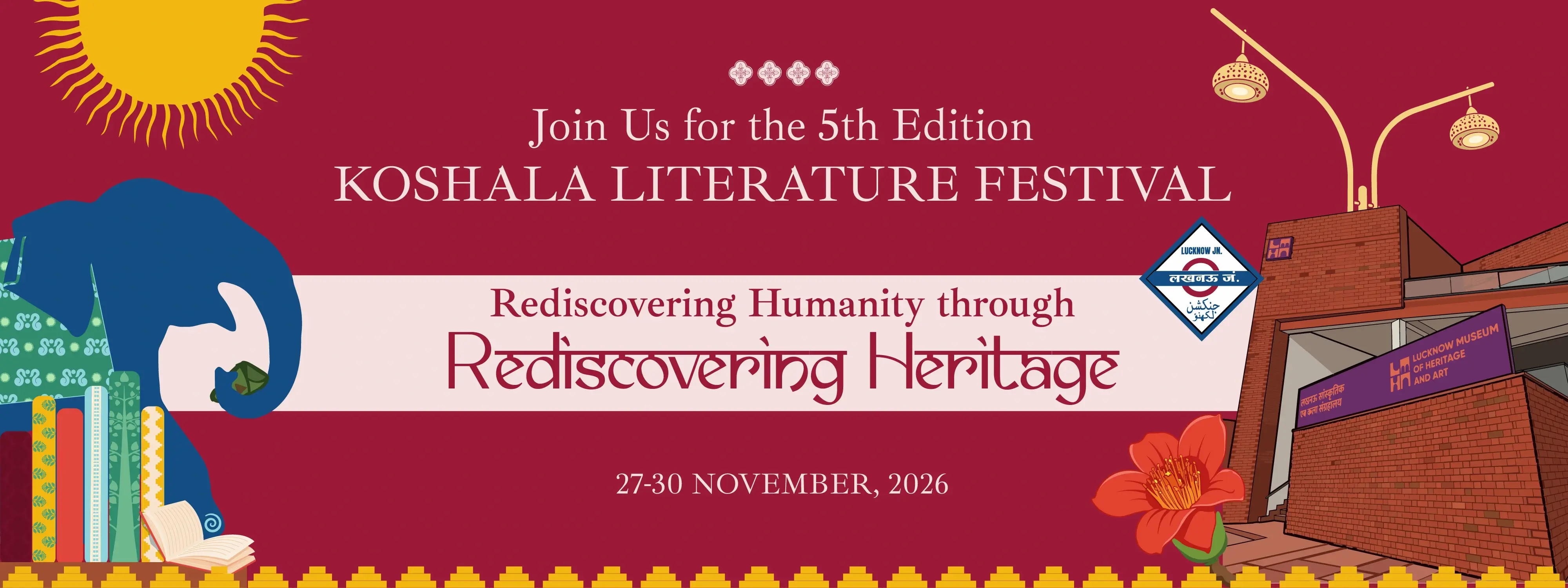
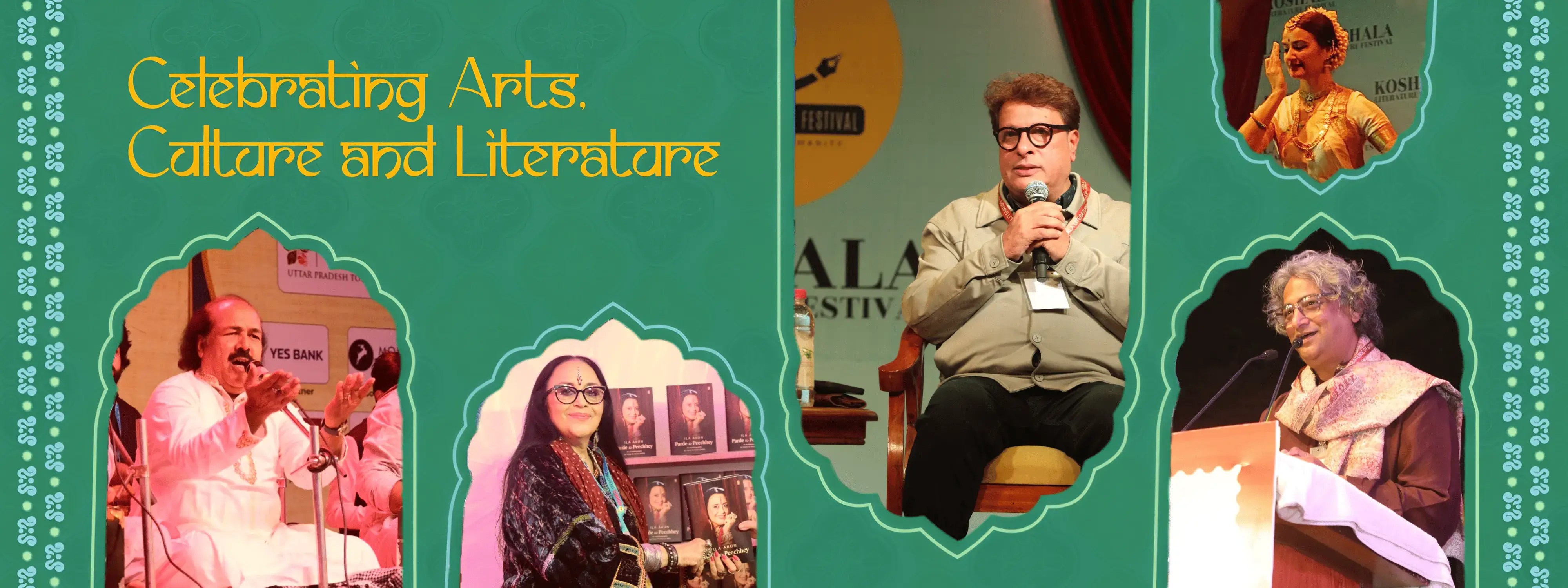
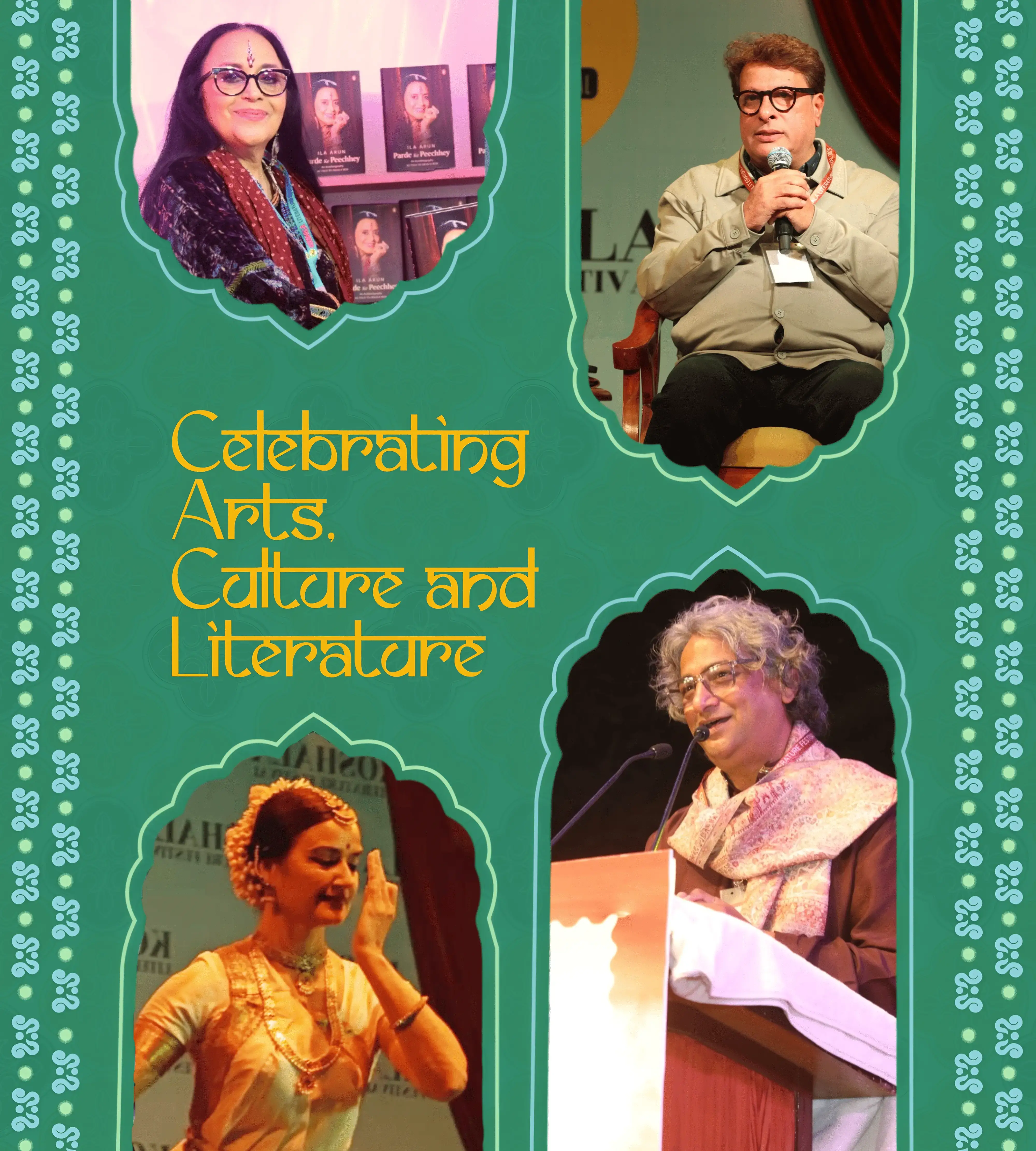
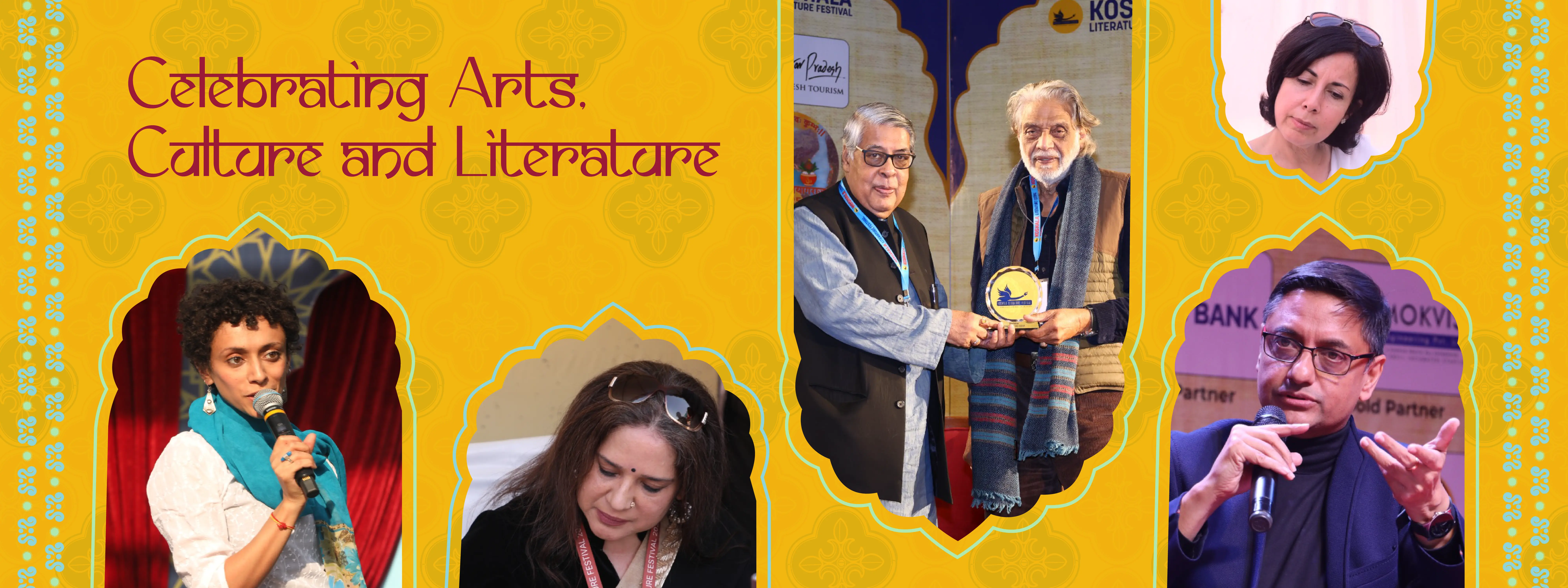
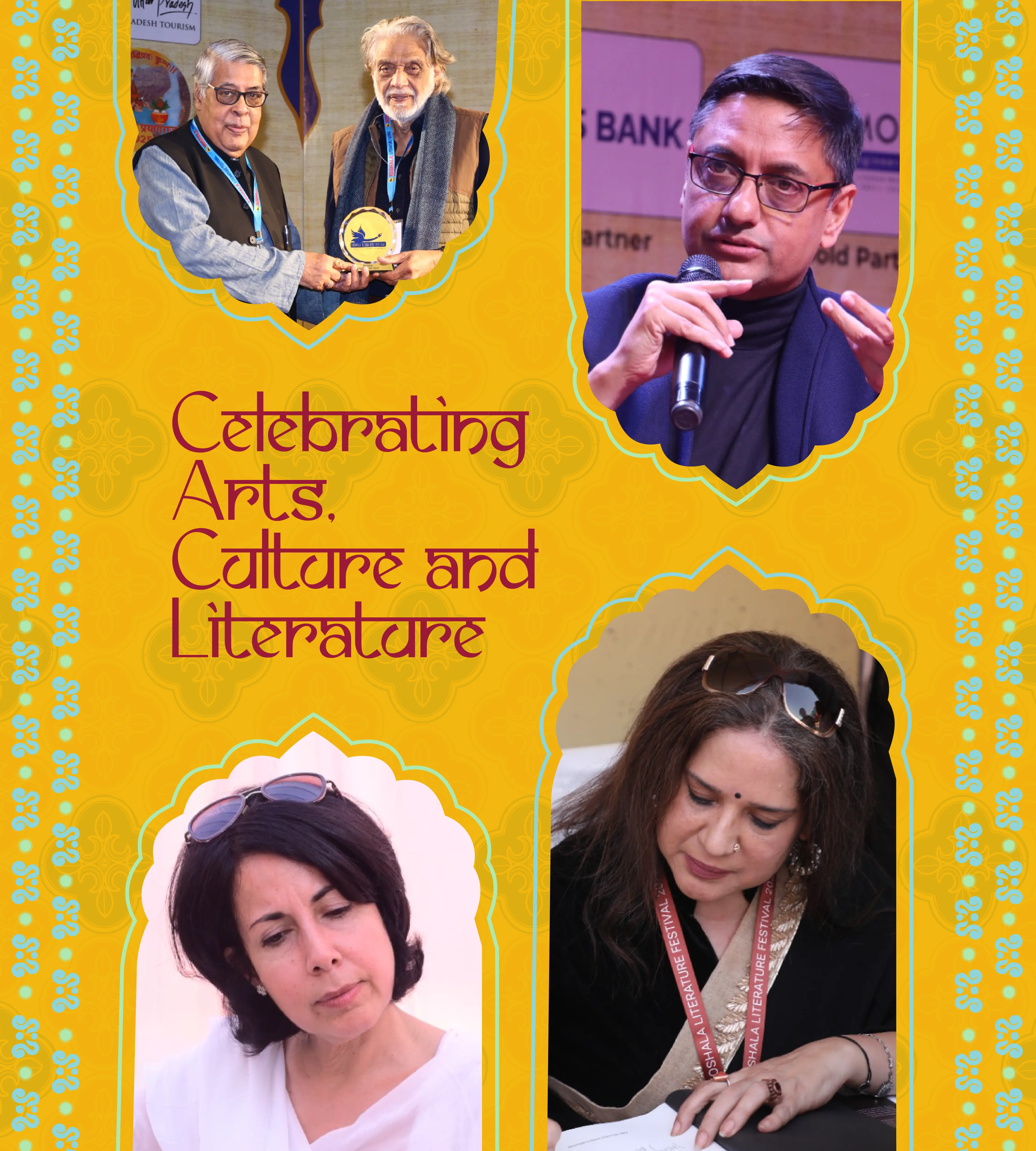
Join us for four days of literary celebration featuring renowned authors, poets, and cultural enthusiasts from around the world.
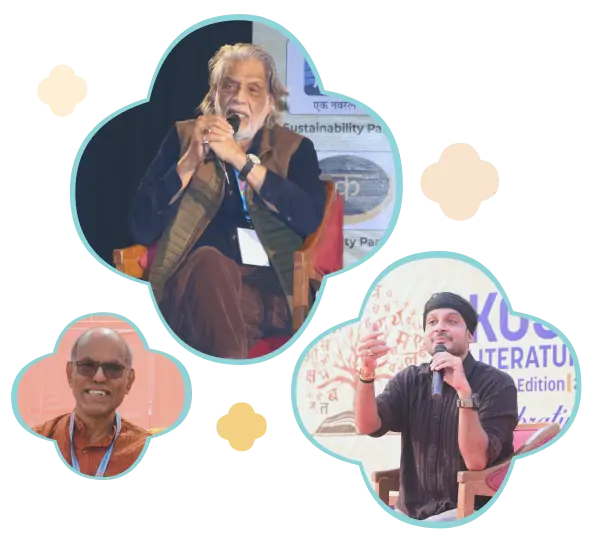
The Koshala Literature Festival, produced by Koshala Arts and Crafts Pvt Ltd and Perspective Cultural Foundation , is a celebration of art, literature, culture and heritage, rooted in the City of Adab - Lucknow. “Koshala” the festival name draws its very soul from a time when Lucknow was part of the Kosala Mahajanapada, one of the sixteen great kingdoms of ancient India, long before it bore the name we know today.
Against this living cultural backdrop, shaped by its literature, gastronomy, architecture, folklore, crafts, music and traditions - authors, artists and performers from across India and the world come together at Koshala Literature Festival for meaningful conversations, immersive experiences, craft bazaars, music, cuisine, poetry, ghazal, Sufi evenings, and cross-cultural exchange.
More than a festival, Koshala brings Lucknow’s cultural legacy into dialogue with the imagination of New India, giving its languages, local talent and traditions a global platform while inspiring the next generation to discover and carry them forward.
Read More About Us
Koshala Literature Festival a vibrant celebration of literature, art, and culture, with a unique focus on nurturing local talent in the heart of Uttar Pradesh. From inspiring authors and captivating storytellers to dynamic performances and thought-provoking discussions.
KLF is where creativity meets culture. Join us in this enriching journey as we spotlight the voices of the common world, alongside renowned personalities from across the nation. Be part of an extraordinary festival that bridges tradition and modernity, offering an unforgettable experience for all lovers of the arts.
On Social Media
Across Platforms
Footfall Per Edition
Learn from literary giants and emerging voices shaping contemporary literature.
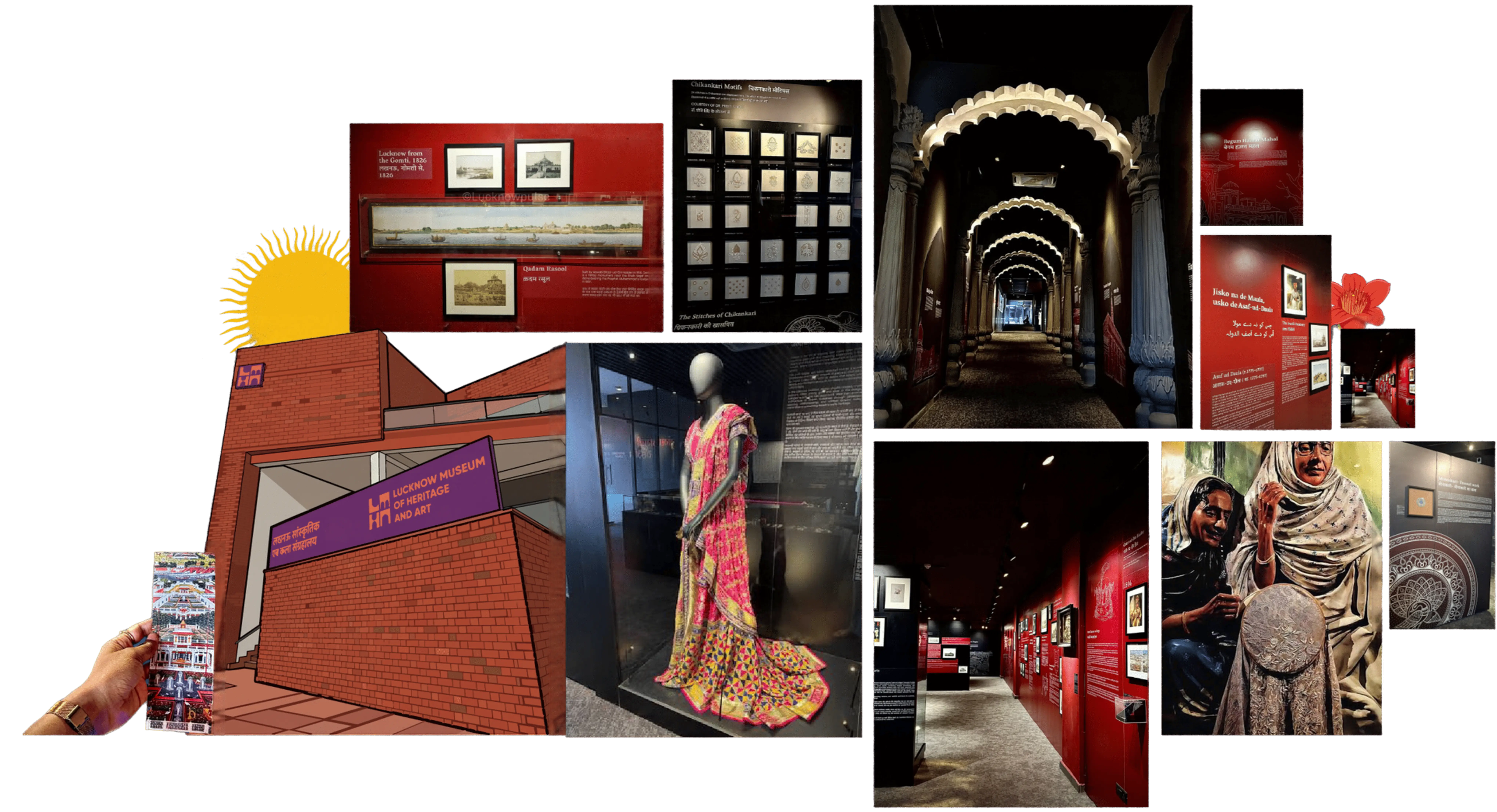
We are delighted to welcome LMHA as our Venue Partner, a landmark space that brings centuries of Lucknow’s history to life, tracing its literary, cultural and culinary traditions while preserving the city’s legacy for generations to come.

No sessions are listed in this category yet.
Stories shape civilisations, carrying forward values, beliefs, and collective memory across generations. Few tools are as powerful as mythology in bridging the past with the present, and few storytellers bring these narratives alive with depth and intensity. Author of The Hidden Hindu trilogy, Akshat Gupta’s work reimagines age-old tales for contemporary audiences, offering fresh perspectives while honouring timeless traditions. Through his books, he explores how myth continues to inspire, provoke thought and shape identity in today’s world. In conversation with educator Nishi Pandey, Gupta discusses the enduring power and reinterpretation of mythology in modern storytelling.
History has never been short of women who challenged the rules, claimed their space and refused to be confined by the expectations of their time. Yet, their stories have often been relegated to the margins. In her book Badass Begums, Anoushka Jain brings these formidable women into the spotlight, exploring their ambition, audacity and determination to shape the worlds they inhabited. In conversation with Nitin Sukhija, she will discuss the lives of women who wielded power on their own terms, defied convention and left their mark on history. A conversation about the women who didn’t wait for permission and whose stories deserve to be told.
Omair Ahmad’s Homecoming and Tarana Husain Khan’s The Courtesan, Her Lover and I look at two cities through worlds that are disappearing. In Ahmad’s Lucknow, language, family histories and an older cultural inheritance confront a city being altered beyond recognition. In Khan’s Rampur, the forgotten story of Munni Bai Hijab emerges from the archives, poetry and memory of a city whose cultural history is increasingly distant. Both books ask what happens when a place survives in memory after the world that created it has vanished. A conversation on cities, cultural inheritance, forgotten voices and the complicated idea of home.
Are women merely the instruments of destiny, caught in the consequences of choices made by men, or are they individuals with stories, desires and voices of their own? In her poetry collection Nimitt Nahin!!, Suman Keshari revisits the women of the Mahabharata, bringing their silences, suffering and inner conflicts to the forefront. From Draupadi and Kunti to Gandhari and Hidimba, she looks beyond familiar narratives to question the price women pay for war, ambition and patriarchal power. In conversation with Raghav Mimani, she will explore how ancient myths speak to the present, and how women can reclaim their place in stories that were never theirs alone.
Words can be whispered, recited, sung or brought alive through the simple act of telling a story. Poetry and storytelling give voice to our most intimate emotions, our shared memories and the questions we struggle to articulate. In Bol, Suman Keshari, Aryansh Arora, Satyarth Aniruddha Pankaj, Mujtaba Khan and Rohit Singh come together to explore the many possibilities of the spoken word. Moving between verse and narrative, their performances invite us to listen closely—to the silences between words, the truths hidden in everyday experiences, and the stories that connect strangers through the simple, enduring power of language.
No sessions are listed in this category yet.
When Sardar Patel called the civil services India’s “steel frame”, he envisioned an institution capable of holding a young nation together. A century after the UPSC’s establishment, what must that frame become to meet the aspirations of a changing India? Saloni Khanna’s Winning Under Pressure explores the resilience and mindset demanded by the examination, and Alok Ranjan’s Making a Difference examines the IAS as a career and an instrument of public service. In conversation with Somya Singh, they explore the making of civil servants and the future of Indian governance.
The Ramayana is not just the story of Rama’s journey; it is also the story of women whose choices, sacrifices and struggles shape the course of the epic. In Women in the Ramayana, Bhawana Somaaya turns the spotlight on these women, inviting us to look beyond familiar portrayals and reconsider their place in the narrative. From Sita’s strength and Kaikeyi’s consequential choices to the lives of women whose voices are less often heard, the conversation explores questions of duty, agency, courage and consequence. In conversation with Devanshi Seth, Somaaya revisits an enduring epic through the women who helped define it.
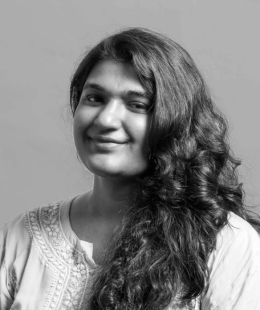
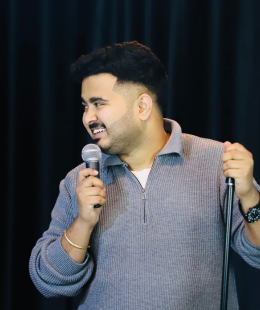
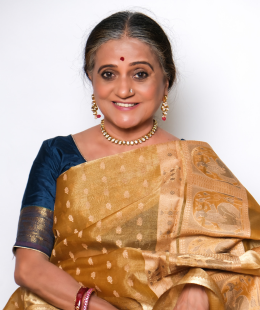
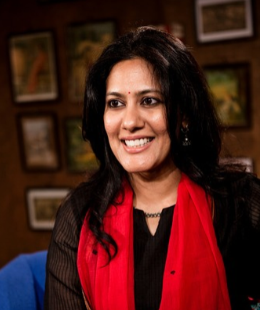
An actor inhabits a character, a visual artist fills a canvas, and a digital creator turns a passing thought into a post millions will see. The tools differ, but the journey from spark to finished work is strikingly similar. In this session, Aahana Kumra, Ayaaz Ahmad, Taqi Abbas and Taha Ahmad talk with Shubra Pandya about where ideas come from, how they survive doubt, deadlines and algorithms, and what it takes to finish what you start. Is inspiration a gift or a habit? Does the audience change the art? Expect candid stories, creative rituals and lessons that cross every medium.
Love, disillusionment and the search for oneself have long found expression in poetry and prose. In Ek Arsa Ho Gaya Khud Se Mile Hue, Raghav Mimani reflects on self-discovery, accepting failure and learning to live in the present. Rohit Singh’s Visaal explores love, longing and the ache that accompanies intimacy. In conversation with Pragya Sharma, they will examine how love changes us, how despair finds its way into words, and whether writing can help us understand both the people we lose and the selves we become. The conversation asks what remains when love meets disappointment, and how we begin again.
Some stories survive not because they make history, but because they preserve the lives and memories that history often overlooks. Through his storytelling and his debut book Paandaan, Mujtaba Khan brings alive the world of an earlier North India, where family heirlooms hold generations of memory and women quietly sustain households through changing times. His work draws on the beauty of Urdu, the intimacy of family histories and the lives of women whose strength often goes unrecorded. This session invites us into his world of qissa-goi, where language carries the weight of memory, and the stories of ordinary lives reveal extraordinary truths.
Some inheritances are measured in heirlooms, others in recipes, forgotten stories and the flavours that bring generations together. From the qissas woven around family tables to the culinary traditions preserved in handwritten recipes and shared memories, this conversation explores how food becomes a vessel of history, identity and belonging. A journey through the dastarkhwans of the past, where every dish has a story, and every taste carries a legacy.
In Beyond GDP: In Pursuit of Measuring Happiness, Alok Ranjan questions whether economic growth alone can measure a nation’s progress, arguing for greater attention to happiness, well-being and quality of life. This Policy Lab brings together Ranjan’s administrative experience and policy insights, Navneet Kumar Sehgal’s perspective on public administration and governance, and Jayant Krishna’s experience in industry, trade and economic development. Moderated by Shailvee Sharda, the conversation will examine how indicators such as human development, sustainability and life satisfaction can complement GDP, and how governments can translate these measures into policies that improve citizens’ everyday lives.
No sessions are listed in this category yet.
How does a city’s past continue to shape its present? In a conversation with Tahira Hassan, Ravi Bhatt and scholar Vandana Sehgal explore Lucknow’s rich architectural heritage, tracing the connections between its built environment, historical narratives, and evolving cultural identity. Through the lens of urban form and collective memory, the discussion reveals how monuments and architectural traditions preserve stories of the past while continuing to inform the city’s contemporary character. The session invites us to look beyond the physical structures and recognise architecture as a living expression of history, culture, and shared memory, while reflecting on the importance of preserving this legacy for future generations.
A reader is rarely made by books alone. Reading begins in the places where books change hands, in the crowded lanes of Daryaganj, in magazines borrowed from a neighbour, in paperbacks carried home from a railway stall, in stories encountered almost by accident. Kanupriya Dhingra’s The Sunday Book Bazaar looks at the second-hand book market as a living world of sellers, seekers and unexpected discoveries. Aakriti Mandhwani’s Everyday Reading moves into post-Independence India to trace how magazines, popular fiction and commercial publishing created new reading publics. Together, their books reveal reading not as a private habit but as a social history: of markets, aspiration, access and the making of the Indian reader.

Hear from Authors, Scholars and Literary Lovers who have experienced the Magic of Koshala Literature Festival



